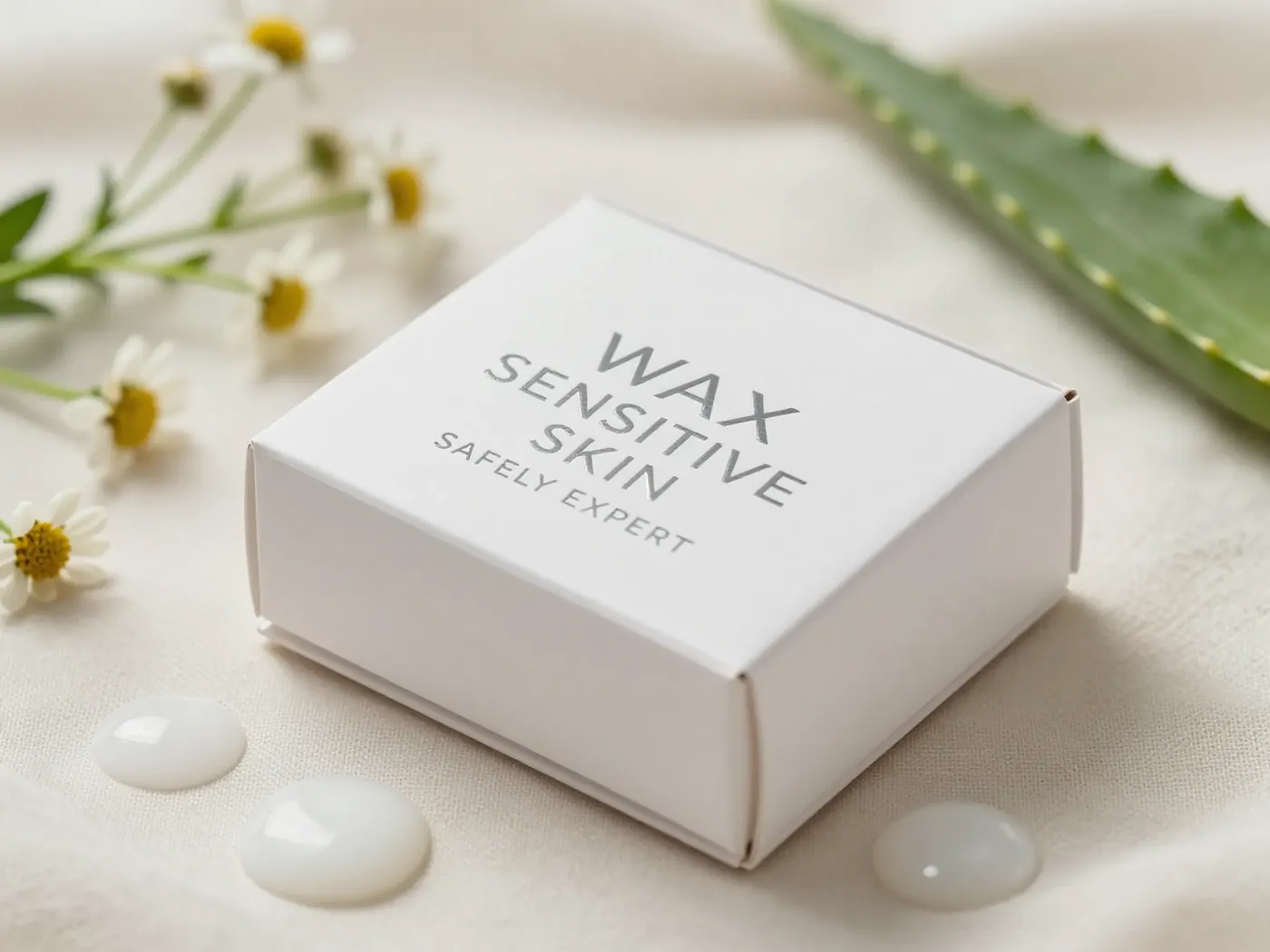
If you have sensitive skin waxing can be hard. There is so much information out there that it can be hard to keep up. But here we'll make it easy and clear by breaking it down. Let's go over the basics of waxing sensitive skin step by step without using too much technical language.
The first step is to know your skin. If you have sensitive skin it may be more likely to react to waxing and show redness irritation or even breakouts. You need to know this is your baseline so you know what you're working with. Do a patch test first to see how your skin reacts. Try waxing a small area like the back of your wrist and wait 24 hours to see if anything bad happens. This helps keep irritation from spreading.
Sensitive skin is also often dry so it can help to keep it moisturized. Avoid using thick creams right before waxing though because they can make the wax less effective. Choose lotions that are gentle and moisturizing and have calming ingredients like aloe vera or chamomile. These can calm and hydrate your skin.
People with sensitive skin need to be very careful about which wax they choose. Not all waxes are the same and picking the wrong one can make you feel bad for no reason. Soft wax also called strip wax is better for sensitive skin because it is gentler than hard wax. Look for waxes that are made just for sensitive skin. These waxes often have calming ingredients like azulene which comes from chamomile and has anti inflammatory properties.
Think about using pre waxed strips instead. They are easier to use and usually less harsh. Because they need lower temperatures than when you're heating a pot of wax they are less likely to irritate the skin. Check the ingredients for any allergens every time especially if you are sensitive to scents or artificial additives.
Getting ready is the most important part of a smooth waxing. Wash your skin with a gentle fragrance free cleanser and make sure it is completely dry before waxing. Oils and sweat can make it hard for the wax to stick which can cause irritation. Exfoliating your skin 24 to 48 hours before waxing also helps get rid of dead skin cells which can stop ingrown hairs and make the waxing process go more smoothly.
In the days before your waxing session don't take hot showers or use harsh products like retinoids or exfoliating acids. These can make your skin more sensitive. If you've recently gotten a sunburn or hurt your skin in any way it's best to wait until your skin has healed completely before waxing.
If your skin starts to feel too irritated it's okay to take breaks in between. If you're getting a professional wax tell the esthetician that you have sensitive skin so they can be more careful.
It is very important to use a lotion that doesn't have any scent on a regular basis. This helps your skin get back its moisture which lowers the chance of it getting dry and irritated. If you see redness or small bumps they usually go away in a day or two. Witch hazel is a great natural toner to use after waxing. It helps calm the skin and is anti inflammatory.
You need to be patient and pay attention to the details when waxing sensitive skin. You can get smoother results with less pain by learning about your skin type picking the right products and following a careful routine before and after waxing. If you're not sure about any of the products or if you've always had bad reactions in the past you might want to talk to a dermatologist. You don't have to hurt when you wax even if your skin is sensitive. You just need to know how to do it right.
You can find more information about dermatology tips and good skin care routines at the Mayo Clinic and the American Academy of Dermatology.

Say it is your first time in the booking notes and your provider will take it from there.