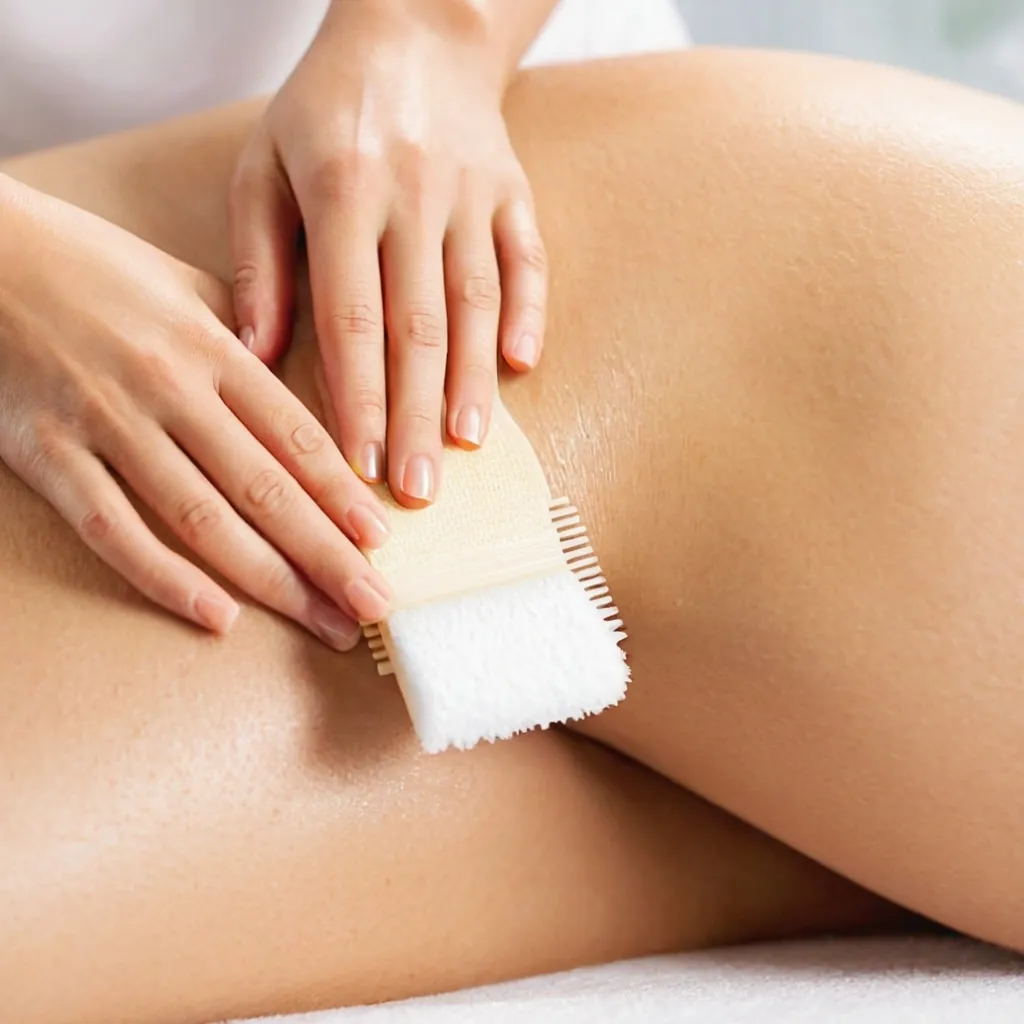
Particularly in cases of sensitive skin, waxing can be frightening. It can feel like a gamble; will it leave your skin red and irritated or smooth and glowing? This advice is for you if your delicate skin makes you reluctant to try waxing or if past experiences left you more red than brilliant. Today we are investigating waxing techniques designed to preserve sensitive skin in good condition. Nobody should, let us face it, have to suffer for beauty. We will cover the several types of wax, pre- and post-waxing care, choosing the suitable service, ingredient knowledge, and when to visit a professional. So let us begin this.
Not every wax is made equally when waxing sensitive skin. Your choice here can significantly affect the outcome: the right wax will minimize irritation; the wrong one will aggravate it. Usually a more sensitive-skin-friendly option is hard wax. Applied warm, it cools and can be pulled off without cloth strips as it hardens. Less irritation results because this type of wax sticks to hair rather than skin. On the other hand, soft wax is used then removed with cloth strips. Although this kind is excellent for large areas of skin, it can be rather more aggressive since it sticks to hair as well as skin. For sensitive skin, you might also look at sugar wax—a mixture of sugar, water, and lemon juice. Following more of the hair than the skin, it is natural and generally mild. Besides, water-soluble nature makes cleanup simple. Look for items labeled "hypoallergenic" or especially for sensitive skin. Companies like Cirepil and Gi Gi offer such waxes meant for mild treatment on delicate skin.
Particularly considering sensitive skin, preparation is quite important. Start gently exfoliating either one day or two before your appointment or at-home session. This helps remove dead skin cells and reduces the possibility of ingrown hairs, even if one should exercise caution not to overdo it. Doing this too close to waxing can make your skin more sensitive. Another crucial pre-waking action is looking for any skin conditions, cuts, or abrasions. Waxing over a compromised area would cause more irritation or infection thus you want to avoid it. Refrain from using lotions or oils on the day of waxing; these will reduce the ability of the wax to adhere properly as you hydrate your skin. It's as though you wouldn't want to wash right before a haircut. You friend here is a clean slate.
Once the wax is off, there are actions you can take to ease discomfort and encourage healing. Using a cool compress or unscented aloe vera gel, first calm redness and irritated skin. For the first 24 to 48 hours avoid heat; hence, there is no tanning, saunas, or hot showers. Your skin seemed to have run a marathon; it has to cool down and heal. Loose clothes after waxing can help to prevent more discomfort. Tight materials will only aggravate sensitive, recently waxed skin even if they look fantastic. Keep drinking last but most importantly not least. Maintaining drinking water and using gently scent-free lotions will help you to stay hydrated. Hydrated skin is that which is happy.
Like reading food labels, knowing what is in your waxing products will help you avoid likely irritants. These are some ingredients that might aggravate sensitive skin: Often a cause of irritability, fragrances can be rather strong for sensitive skin types.
Alcohol : It dries and could aggravate skin itching.
Preservatives like parabens and formaldehydes have been known to cause allergic reactions in some people with sensitive skin. Rather, look for naturally occurring, well-known for their relaxing properties chamomile or azulene. If you have sensitive skin and a wax product claims beesw wax or shea butter, usually it is a safer option. Would you like more data on skin sensitivity? See this <a href="https://www.healthline.com/health/sensitive-skin" target="_blank">Healthline article</a> for an all-around review.
Sometimes it would be wiser to let the professionals take care of it. If you have tried all the do-it-yourself techniques and still have irritation or if the sensitivity of your skin keeps increasing, see a seasoned waxing esthetician. Professionals will find things you might easily overlook rather quickly. They know how to apply temperature and technique to minimize pain in sensitive skin types. Sometimes, too, peace of mind comes from chatting with someone who has seen it all. See a dermatologist if waxing keeps causing sensitive skin trouble. She can also offer advice. They might suggest milder for your skin type products, ingredients, or even other hair removal techniques. You might review <a href="https://www.webmd.com/skin-problems-and-treatments/why-and-when-see-dermatologist" target="_blank">here</a> WebMD offers a good resource on consulting dermatologists. Selecting the correct waxing treatment for sensitive skin doesn't have to feel like trying to thread a needle in the dark. Smooth skin is achievable without the related effort with the correct knowledge and treatment. Recall that post-care, choice, and preparation define everything. Use these guidelines, pay attention to your skin, and waxing can start to fit your schedule free from drama. You will thus know exactly what to do the next time you are deciding whether to plunge into waxing. And keep in mind that there is always a professional ready to assist to simplify the process should you ever be unsure.

Say it is your first time in the booking notes and your provider will take it from there.